How Long Are License Plates Issued in New Jersey?
If you own a vehicle in New Jersey — or you’re planning to register one — you might be wondering how long license plates are issued and how long they remain valid. This is a common question for drivers who want to stay compliant with state laws, as well as for those using a New jersey license plate lookup owner tool to research vehicle records.
The answer comes down to two key factors: the physical lifespan of the plates and the registration that keeps them legally valid. In New Jersey, license plates are designed for long-term use, but their legal status depends on keeping your registration up to date. Let’s take a closer look.
Who Issues License Plates in New Jersey?
License plates in New Jersey are issued and managed by the New Jersey Motor Vehicle Commission. This agency is responsible for:
- Vehicle registration
- Plate issuance
- Renewals and replacements
- Specialty and vanity plates
When you register a vehicle in New Jersey, the state assigns a license plate that is generally tied to that vehicle.
Do License Plates Expire in New Jersey?
Here’s the key takeaway:
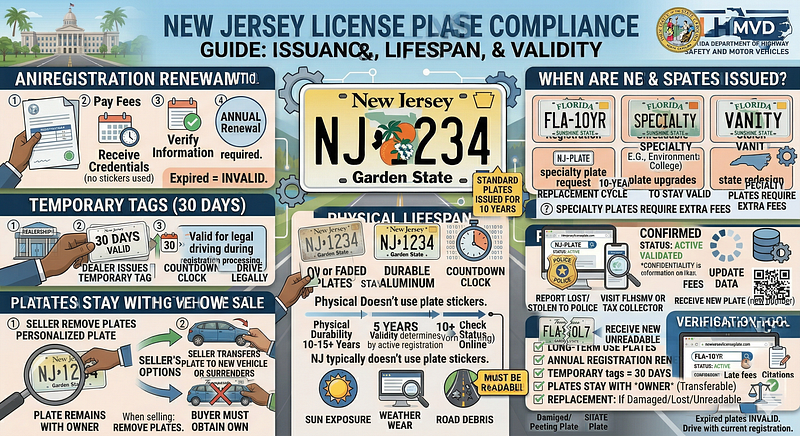
License plates in New Jersey do not typically expire physically — but the registration associated with them must be renewed regularly.
This means:
- Plates are designed to last for many years
- There is no fixed expiration date for the plate itself
- Registration determines whether the plate is legally valid
If your registration expires, your plates become invalid — even though they remain attached to your vehicle.
Registration Renewal in New Jersey
New Jersey requires vehicle owners to renew their registration annually.
What does renewal involve?
Each year, you must:
- Pay registration fees
- Verify vehicle and owner information
- Receive updated registration documentation
Unlike some states, New Jersey no longer relies heavily on visible registration stickers on plates. Law enforcement typically verifies registration electronically.
What happens if you don’t renew?
Failing to renew your registration can result in:
- Late fees and penalties
- Traffic citations
- Possible suspension of your registration
Additionally, expired registration may appear in public records. If someone performs a New jersey license plate lookup owner search, the plate may show as inactive.
How Long Do Temporary License Plates Last?
When you purchase a vehicle in New Jersey, you may receive temporary tags while your permanent registration is processed.
Temporary plates in New Jersey typically:
- Are valid for 30 days
- Allow legal driving during registration processing
- Are issued by dealerships
In some cases, extensions may be granted if additional time is needed.
How Long Do Permanent Plates Last?
New Jersey license plates are built for durability and long-term use.
Typical lifespan:
- Plates can last 10–15 years or more
- They remain assigned to the vehicle for extended periods
- They do not require routine replacement under normal conditions
However, the state may require replacement if plates become damaged or unreadable.
Plate Replacement in New Jersey
Unlike some states that enforce strict replacement cycles, New Jersey does not have a universal timeline for replacing all plates. However, replacements are required in certain situations.
When do you need to replace your plates?
- Plates are damaged, faded, or unreadable
- Plates are lost or stolen
- You switch to a specialty or vanity plate
- The state introduces updated plate designs
Maintaining clear and readable plates is essential for compliance with state law.
When Are New Plates Issued?
Even though plates are long-lasting, there are several situations where new ones are issued:
1. First-Time Registration
You’ll receive a new plate when registering a vehicle for the first time.
2. Plate Replacement
Damaged, lost, or stolen plates must be replaced.
3. Specialty or Vanity Plates
Custom plates are newly manufactured and issued upon request.
4. Plate Upgrades or Changes
Switching plate types or designs results in new issuance.
Do Plates Stay With the Vehicle?
In New Jersey, license plates generally stay with the vehicle, not the owner.
When a vehicle is sold:
- The plates usually remain attached to the vehicle
- The new owner registers the vehicle in their name
- The plate continues to be associated with that vehicle
Exceptions:
- Personalized plates can sometimes be transferred to another vehicle owned by the same individual
- Specialty plates may have specific transfer rules
Specialty and Vanity Plates in New Jersey
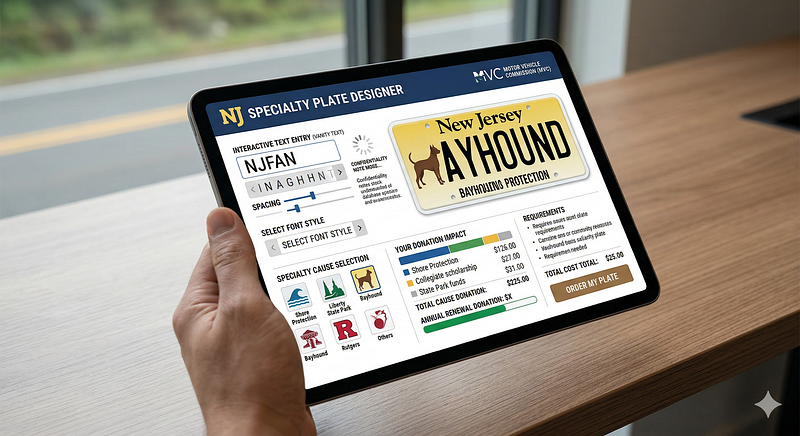
New Jersey offers a variety of specialty plates, including:
- Military and veteran plates
- Organizational and charity plates
- Personalized (vanity) plates
These plates:
- Require annual renewal
- May include additional fees
- Follow the same general lifespan as standard plates
Vanity plates remain valid as long as:
- Registration is current
- Fees are paid
If not renewed, the custom plate combination may become available to others.
What Happens If Registration Expires?
If your registration is not renewed, your license plates become invalid.
Possible consequences include:
- Traffic tickets and fines
- Late fees and penalties
- Suspension of registration privileges
From a data standpoint, expired plates may still appear in lookup tools. A New jersey license plate lookup owner search may indicate that the registration is no longer active.
How to Check License Plate Status
If you want to verify a license plate or research a vehicle, you can:
- Use official state resources
- Access third-party lookup tools
For a quick and convenient option, you can check here:
???? https://newjerseylicenseplate.com/
These tools can help you:
- Confirm registration status
- Review vehicle history
- Access publicly available ownership-related information (within legal limits)
How Long Do Plates Physically Last?
New Jersey license plates are made from durable aluminum and designed to withstand various weather conditions, including rain, snow, and temperature changes.
Average lifespan:
- 10–15 years or more
Factors affecting durability:
- Sun exposure (fading)
- Weather-related wear
- Physical damage from road debris
If a plate becomes difficult to read, it should be replaced promptly — even if registration is still valid.
Do You Need to Replace Old Plates?
You may need to replace your plates if:
- They are damaged or unreadable
- They are lost or stolen
- You switch to a different plate type
- The state requires replacement due to condition
Replacement requests are handled through the New Jersey Motor Vehicle Commission.
Key Takeaways
Here’s a quick summary of how long license plates are issued in New Jersey:
- Plates are issued for long-term use and do not expire physically
- Registration must be renewed annually
- Temporary plates last about 30 days
- Plates can last 10–15 years or more
- Plates generally stay with the vehicle
- Replacement is required if plates are damaged, lost, or unreadable
Final Thoughts
New Jersey’s license plate system is designed for simplicity and durability. While plates can remain in use for many years, their legal validity depends entirely on keeping your registration current.
For most drivers, the key responsibility is staying on top of annual renewal requirements. At the same time, maintaining readable plates ensures compliance with state laws and avoids potential issues.
Whether you’re registering a vehicle, transferring ownership, or researching records with a New jersey license plate lookup owner tool, understanding how long license plates are issued in New Jersey helps you stay informed and confident on the road.